Your Group Chat Is the New Sports Radio — And It's Killing the Call-In Show
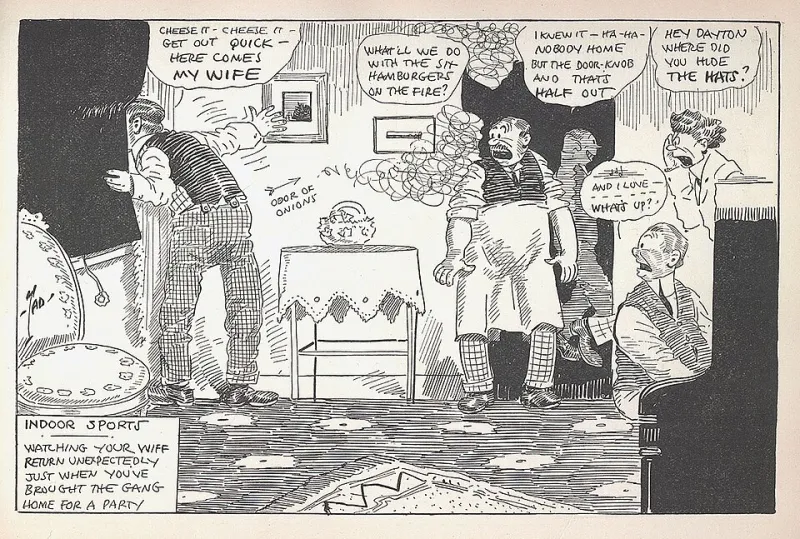
Photo: Tad Dorgan, Public domain, via Wikimedia Commons
There was a time — not that long ago — when sports arguments had a venue. You woke up, you listened to the morning show, you called in, you screamed about the Jets, you hung up. The water cooler at work settled the leftovers. That whole ecosystem? It's on life support, and nobody's holding a funeral.
The Numbers Don't Lie, But They Do Whisper
Sports talk radio still exists, sure. Big names, big contracts, big microphones. But the audience skewing older every year tells you everything. Younger fans aren't calling a screener to wait on hold for twenty minutes so they can yell about a blown coverage. They're doing it in a group chat with nine friends before the game's even over.
That shift matters more than it looks. Public discourse — the kind where your take has to survive strangers — got replaced by something cozier. A group chat is a safe house. Your terrible hot take about trading your franchise quarterback lands among people who already forgive you. There's no host cutting you off, no rival caller dunking on you, no clip of your worst moment circulating for a week.
What We Lost When the Mic Went Private
Here's the uncomfortable part: the old system, for all its flaws, was a meritocracy of chaos. Anyone could call. The best argument — or loudest voice — won the moment. You heard takes from fans of every stripe, and occasionally someone changed your mind. Shared spaces created shared references. When everyone heard the same rant, everyone could riff on it the next day.
Now the conversation fragments into thousands of private rooms. My group chat and your group chat can watch the same game and inhabit entirely different discourse universes. The common ground shrinks. Viral podcast clips try to fill the gap — thirty-second snippets of a former player saying something outrageous, designed to be screenshotted into the group chat. But that's discourse by proxy. You're not arguing with the take; you're arguing with a clip of the take.
There's also a trust problem. Radio hosts had to put their names on their nonsense. Anonymous-ish group chat hot takes never face a reckoning. Nobody's track record gets checked. The guy who's been wrong about everything for a decade has the same standing as the one who actually watches film.
What We Gained (And It's Not Nothing)
Let's be fair to the group chat era, because it's not all losses. The old water cooler had gatekeepers — and they were overwhelmingly a narrow demographic. The new landscape let fandom voices that never got a radio segment build real communities. Women's sports discourse, for instance, grew explosively in spaces that weren't built by legacy media. Niche fandoms found each other. A fan of a mid-major program in a big city can now find twenty people who care as much as they do, at 1 AM, instantly.
And the conversation never stops. Old radio had windows — morning drive, afternoon drive. The group chat is 24/7, which, if you've spent any time on this site, you know is the whole thesis of modern fandom. The game ends, the discourse begins, and it doesn't pause for a commute.
Why Media Companies Are Freaking Out
Here's the business problem: you can't sell ads against a group chat. Radio made money because attention gathered in one measurable place. Now attention scatters across millions of private threads that no platform can monetize directly. So the industry response has been frantic — podcasts engineered to generate clip-able outrage, shows built around whatever's trending in fan spaces, content designed to be the thing your group chat argues about tomorrow.
The smart play, ironically, looks a lot like the old play: become the shared reference point. The outlets winning right now aren't chasing every micro-conversation. They're making the single big take that everyone argues around. The venue changed. The hunger for a common argument didn't.
The water cooler is dead. Long live the group chat. Just don't be surprised when the next generation abandons that too, and we're all trying to figure out what the kids are arguing about — and where.