Up All Night: Inside the Obsessive World of Late-Night Sports Fans
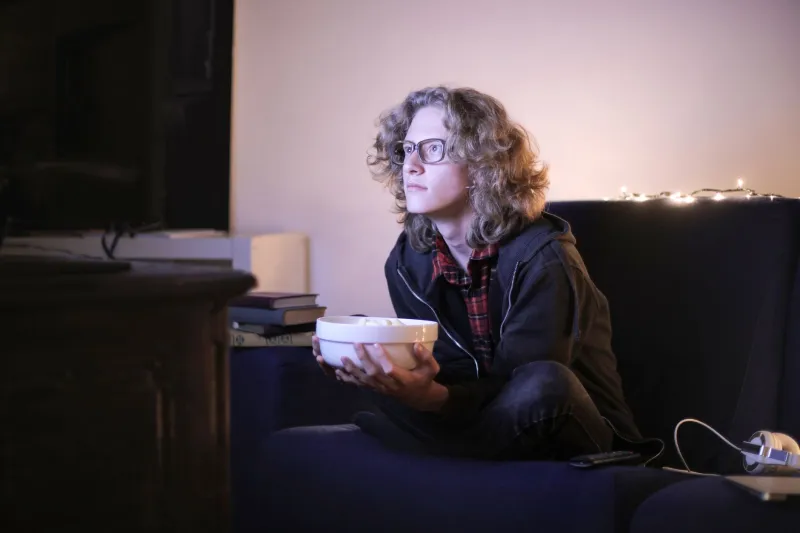
It's 1:47 AM on a Tuesday. Most of America is somewhere between REM cycles and restless scrolling. But in living rooms from Portland to Pittsburgh, a specific breed of sports fan is wide awake, phone in one hand, remote in the other, watching a West Coast baseball game go into extra innings or catching a Champions League group-stage match that kicked off before sunrise in Europe but landed squarely in the American graveyard shift.
These aren't casual viewers who stumbled onto a game by accident. They're deliberate. They've planned around it. Some of them built their whole evening around it. Welcome to the midnight shift — the unsung backbone of the 24/7 sports viewing world.
The Schedule Doesn't Care About Your Bedtime
American sports fans have always had to wrestle with geography. A Mets fan living in Seattle watches a 7 PM East Coast start at 4 in the afternoon. But flip that around — a Mariners fan in New York? That's a 10 PM first pitch on a weeknight, easy. By the seventh inning, it's closing in on midnight.
And that's just domestic stuff. Throw international soccer into the mix and the math gets genuinely hostile. Premier League games kick off at 7:30 AM Eastern on Saturdays, which sounds almost reasonable until you remember that a midweek UEFA match might start at 3 PM in London — meaning 10 AM on the East Coast and, crucially, 7 AM on the West Coast. Early, sure, but manageable.
The real chaos lives in Asian markets crossing back into the US. A Japanese baseball game, a Korean basketball broadcast, or a cricket Test match from Australia? Those land squarely in the 1-to-4 AM window for most American time zones. And yet, people watch. Lots of them.
Who Are These People, Exactly?
The late-night sports community isn't a monolith. It's a patchwork of overlapping groups stitched together by a shared tolerance for sleep deprivation and a deep, almost irrational love of the game — whatever game that happens to be.
There are the shift workers: nurses, warehouse employees, security staff, and overnight truckers who catch games during breaks or stream them in the background while working. Sports gives their odd hours a familiar rhythm.
Then there's the international fan contingent — American supporters of foreign clubs who've accepted that loving Liverpool or Boca Juniors means setting an alarm and functioning on spite and espresso for the rest of the day. These fans are particularly hardcore. They didn't stumble into fandom. They chose it, knowing full well what it would cost them in sleep.
And then there are the insomniacs and night owls — people whose internal clocks simply don't sync with conventional schedules. For them, late-night sports isn't a sacrifice. It's a feature. A midnight game isn't an inconvenience; it's appointment viewing that happens to align perfectly with when they're most alert.
Online communities built around these viewing habits have exploded in recent years. Subreddits, Discord servers, and group chats dedicated to late-night watch parties have thousands of members who swap streams, share reactions, and keep each other awake with running commentary. It's parasocial, sure, but it's also genuinely communal in a way that feels distinct from daytime sports culture.
The Health Trade-Off Nobody Talks About Enough
Here's where things get a little complicated. Sleep scientists are not exactly cheerleaders for this lifestyle.
Research consistently shows that chronic sleep disruption — even voluntary, sports-motivated disruption — carries real costs. Cognitive function, immune response, cardiovascular health, mood regulation: all of it takes a hit when you're regularly shaving hours off your sleep to watch a match. Dr. Matthew Walker's widely-cited work on sleep has made the rounds enough that even die-hard fans have probably scrolled past a headline or two about why sleep deprivation is quietly wrecking their health.
But here's the nuance that often gets lost in those conversations: occasional late-night viewing is not the same as chronic sleep disruption. Sports fans who stay up for a big game once a week, or who catch a European match on a Saturday morning and then nap afterward, aren't necessarily doing long-term damage. Context matters. Recovery matters.
The fans who are most at risk are the ones layering late-night viewing on top of already compromised sleep schedules — and those folks exist in every demographic, not just sports-obsessed ones. The sport is rarely the root cause. It's more often the excuse that tips an already unsteady sleep balance over the edge.
What 24/7 Streaming Changed
For most of sports broadcasting history, if you missed the live broadcast, you missed it. The highlights might show up on the 11 o'clock news or in the next morning's paper, but the game itself was gone. That scarcity created a specific kind of urgency — stay up or miss out forever.
Streaming flipped that dynamic in ways that are still playing out. Platforms like Peacock, Paramount+, ESPN+, and Apple TV+ have made on-demand viewing genuinely viable. You can watch that 1 AM game at 9 AM the next morning without spoilers if you're disciplined enough to avoid your phone.
But here's the thing: most late-night fans don't want that. The whole point is the live experience — the uncertainty, the shared moment, the ability to react in real time with other people who are also, inexplicably, awake at 2 AM watching a soccer match. On-demand is a fallback. Live is the point.
What 24/7 streaming has actually done for this community is lower the barrier to entry. You no longer need a specific cable package or a sports bar willing to stay open past legal closing hours. You need a subscription and a device. That accessibility has grown the late-night fanbase considerably, pulling in viewers who previously couldn't justify the cable bill for the two or three niche sports they actually cared about.
The Culture Is Real, and It's Growing
There's something almost countercultural about being a committed late-night sports fan. It runs against the grain of the productivity-obsessed, optimize-your-morning-routine content that dominates American social media. Staying up until 3 AM to watch a soccer match from overseas is, by almost any conventional metric, a bad decision. And yet.
The fans who do it regularly will tell you the same thing: there's a specific kind of freedom in those hours. The world is quieter. The stakes feel both enormous and completely inconsequential at the same time. You're watching something live that most of the people around you will never know happened. There's a small, strange pride in that.
At 247Sport.TV, we see it in our own numbers — viewership in the midnight-to-4 AM window is not a rounding error. It's a real, engaged, vocal audience that shows up consistently and cares deeply about what they're watching.
The midnight shift isn't a fringe phenomenon. It's a legitimate sports culture — sleep-deprived, a little unhinged, and completely devoted. And honestly? We're here for every minute of it.