Ghost Accounts and VPN Tunnels: Inside the Sports Fan Underground Fighting Blackout Rules
Somewhere in Columbus, Ohio, a guy named Marcus — not his real name, for reasons that will become obvious — is watching his hometown baseball team play a Wednesday afternoon game. Nothing unusual about that, except Marcus is technically watching from a server located in rural Manitoba, Canada. His billing address on file with his streaming service is an Airbnb in Portland he stayed at two years ago. His IP address says he's in a country that doesn't even have a professional baseball league.
Marcus is a phantom streamer. And he's got a lot of company.
A Problem That Shouldn't Exist
Let's be clear about something before we dive in: Marcus isn't trying to steal anything. He pays for his streaming subscriptions. He buys the merchandise. He shows up to games when he can afford the tickets. What he refuses to do is accept the logic that, because he lives within a certain radius of a stadium, he's somehow not allowed to watch his own team on the service he's already paying for.
Blackout rules in American sports are a relic of a broadcast era that barely exists anymore. The original idea was simple enough — protect local TV deals by making sure regional games weren't available on national or streaming platforms in the home market. The theory being that fans in the area would be pushed toward local over-the-air or cable broadcasts instead. In 1985, that made some sense. In 2025, when cord-cutting is mainstream and millions of Americans have ditched cable entirely, the policy is less of a business strategy and more of a punishment for being a fan in the wrong zip code.
MLB's blackout map is probably the most infamous example. There are fans in Iowa — a state with no MLB franchise whatsoever — who are blacked out from watching five or six different teams because of how the regional territories were drawn decades ago. You can be four hours from the nearest ballpark and still get locked out of the very streaming service you're paying $150 a year for.
So people adapt.
The Workaround Toolkit
The methods fans use to get around these restrictions range from stupidly simple to genuinely impressive in their technical complexity.
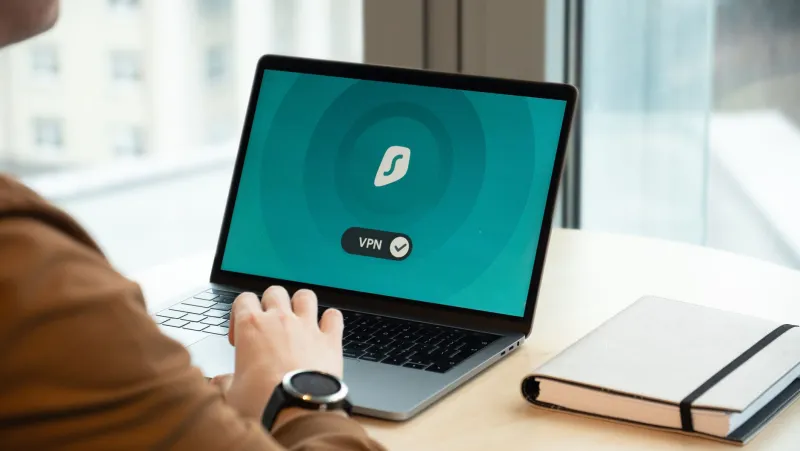
At the entry level, there's the VPN approach — download a virtual private network app, connect to a server outside your blackout zone, and suddenly you're watching from somewhere the algorithm thinks is Nevada or New Hampshire. VPN usage among sports fans has quietly exploded over the past several years, with services like ExpressVPN and NordVPN now actively marketing to sports audiences with barely disguised winks toward exactly this use case.
A step up from that involves creating new streaming accounts with billing addresses outside the blackout territory. Some fans use prepaid Visa cards to avoid linking real credit card information to a fake address. Others borrow the login of a friend or family member who lives in a different market. A small but dedicated subset has figured out how to register accounts using addresses of businesses, vacation rentals, or public institutions in non-blacked-out zones.
Then there's the gray market streaming world — third-party apps and websites that aggregate feeds from international broadcasters, often pulling in streams from leagues and networks that have zero blackout restrictions because they're operating under entirely different licensing frameworks. Some of these services charge a nominal monthly fee. Others are completely free. The quality ranges from crystal clear 4K to buffering nightmares that make you feel like you're watching through a screen door.
The Cat-and-Mouse That Never Ends
Broadcasters and streaming platforms aren't blind to any of this. They've invested heavily in geo-detection technology designed to identify and block VPN traffic, flag suspicious account activity, and shut down the third-party streams that operate in the open. MLB Advanced Media — the tech arm behind MLB.TV — has some of the most sophisticated geo-blocking infrastructure in American sports streaming.
But for every countermeasure, the fan community finds a workaround. VPN providers update their server pools constantly, staying one step ahead of block lists. New gray-market apps pop up faster than old ones get taken down. Forums on Reddit and Discord are essentially live-updated guides to what's working right now, what got patched last week, and what's coming next.
It's an exhausting arms race, and the losing side keeps changing.
The broadcasters will tell you this is about protecting contractual obligations with regional sports networks and local TV affiliates. And technically, they're not wrong — these are real contracts with real money attached. But those same regional sports networks are themselves in freefall. Diamond Sports Group, which operated the Bally Sports regional network empire, filed for bankruptcy in 2023. The RSN model that blackout rules were designed to protect is collapsing under its own weight, and the fans are still the ones getting punished for it.
What It Actually Says About Us
There's a certain irony in the fact that the most passionate fans — the ones who care enough to spend an hour setting up a VPN and a ghost account just to watch a Tuesday night game — are the exact people the sports industry should be bending over backward to serve.
Instead, the current system treats fan dedication as something to be monetized through friction. Can't watch the game on your streaming app? Buy the cable package. Can't afford the cable package? Too bad. Want to watch the team you grew up rooting for but you moved to a different city? That'll be an entirely separate subscription, and also maybe you still can't watch them anyway because of how the blackout zones are drawn.
The phantom streamers aren't pirates. They're fans who got pushed into a corner by a distribution system that never bothered to modernize its rulebook. When the legal path to watching a game involves more bureaucracy than setting up a VPN server in another country, you've lost the moral high ground on enforcement.
The Legal Gray Area Nobody Wants to Talk About
Here's the part where we have to be honest: some of what phantom streamers are doing exists in murky legal territory. Using a VPN to access geo-restricted content likely violates most streaming platforms' terms of service, which can result in account suspension. Whether it crosses into actual legal liability is a much murkier question — one that lawyers specializing in digital rights don't fully agree on.
Using a fake billing address could theoretically be construed as fraud, though no major streaming service has pursued individual users in court over this. Accessing gray-market streams that are rebroadcasting copyrighted content without authorization is closer to genuinely problematic territory, though again, enforcement against individual viewers is essentially nonexistent.
The practical reality is that the platforms know this is happening at massive scale and have made a calculated decision that going after individual fans would be a PR disaster worse than the blackout rules themselves.
The Fix Is Obvious. So Why Hasn't It Happened?
Every sports media analyst, every fan advocacy group, and honestly probably most executives at these leagues will privately admit that the blackout system is broken beyond repair. The question is who takes the financial hit when it finally gets dismantled.
Some movement is happening. MLB has quietly adjusted some blackout territories in recent years. The leagues are experimenting with direct-to-consumer streaming deals that bypass the regional network structure entirely. But progress is slow, and in the meantime, Marcus in Columbus is going to keep watching from Manitoba.
At 247Sport.TV, we cover sports around the clock because fans deserve access to the games they love without jumping through hoops. The phantom streamers aren't the problem. They're the symptom. And until the industry gets serious about fixing the underlying disease, expect the underground to keep growing.