You Watched It Live at 3 AM and Nobody Can Take That Away From You
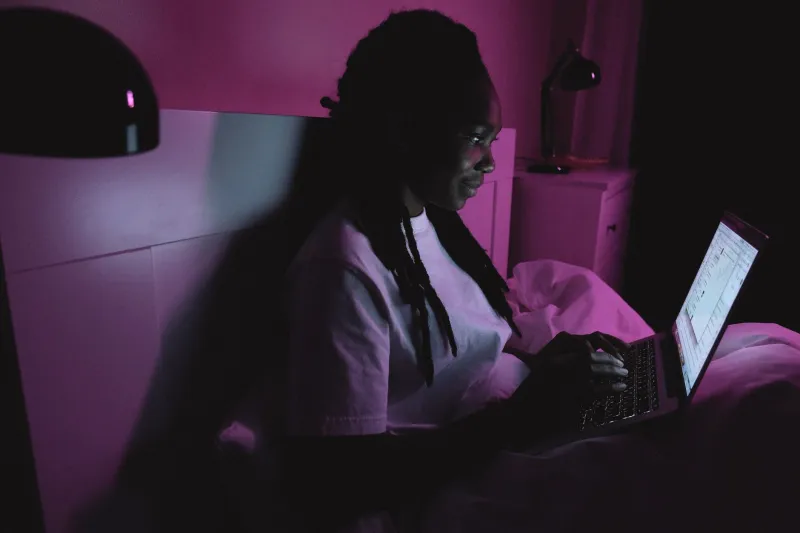
Somewhere in suburban Ohio, a guy named Marcus is setting two alarms. One for 2:45 AM, and a backup at 2:50 — just in case. He's not catching a flight. He's not heading in for an early shift. He's making sure he's awake and on the couch before kickoff for a Champions League match that most of his coworkers won't even know happened until they scroll through Twitter on their lunch break.
Marcus isn't an outlier. He's a member of a rapidly expanding culture — real-time fans who treat the live sports experience as something almost sacred, regardless of what time zone the action is happening in. And thanks to the rise of 24/7 streaming platforms that serve up everything from Serie A to Super Rugby to Bundesliga on demand, at any hour, that tribe is growing faster than ever.
Why Highlights Just Don't Cut It
Ask any dedicated live viewer why they won't just catch the recap in the morning, and you'll get some version of the same answer: it's not the same thing. Not even close.
There's actual science behind that feeling. Sports psychologists have long noted that the tension arc of a live sporting event — the uncertainty, the momentum swings, the possibility that anything could happen — triggers a stress-and-reward cycle in the brain that replays and highlight reels simply can't replicate. When you already know the result, your brain processes the footage differently. The dopamine hit is dulled. The drama is theater.
"Watching a condensed replay is like reading the last page of a thriller first," says one fan in an online forum dedicated to watching Premier League games live from the US. "You can appreciate the writing, but the suspense is gone. That's not why I watch."
That sentiment — the irreplaceable value of not knowing — is the engine driving real-time fandom. And it's why so many fans are willing to sacrifice sleep, productivity, and occasionally their relationships to be present for the moment.
The Badge Nobody Talks About Out Loud
There's a social currency in online sports communities that doesn't get discussed much in mainstream sports media, but it's absolutely real: the credibility of having been there, even virtually, when it happened.
Scroll through any dedicated fan subreddit or Discord server after a big overseas match and you'll notice a pattern. The fans who watched live post differently. There's an energy, a firsthand authority, a kind of emotional rawness that sets their commentary apart from the folks who tuned in six hours later. They were in the chaos. They felt the game breathe.
In some corners of the internet, the timestamp on your reaction is almost a flex. "I was up at 3:30 for this" carries weight. It signals commitment. It says: this sport, this team, this moment matters enough to me that I rearranged my entire night around it.
In an era where fandom is increasingly performative — where jerseys get worn to the grocery store and social media bios are loaded with team emojis — actually watching the game live at an unreasonable hour might be one of the last genuinely hardcore things a fan can do.
24/7 Platforms Changed the Game
This culture didn't materialize out of thin air. It was enabled — and in many ways accelerated — by the explosion of around-the-clock sports streaming.
Not long ago, catching a live overseas match meant either having a very specific cable package, knowing someone with a dodgy stream link, or finding a sports bar willing to open at 6 AM. The barriers were real. Most casual fans couldn't clear them, and even dedicated fans had to jump through hoops.
Now? You grab your phone, open an app, and you're there. The friction is almost gone. Platforms built around 24/7 access have made it genuinely easy to be a real-time fan of virtually any sport on the planet, from the comfort of your couch, in your pajamas, with a bowl of cereal at 3 AM.
That accessibility has done something interesting: it's raised the floor for what counts as "dedicated" fandom. When watching live is easy, doing it consistently becomes the standard by which serious fans measure themselves and each other.
The Rituals That Come With It
Ask live-at-all-costs fans about their routines and you start to hear about surprisingly elaborate rituals. The pre-alarm snack prep. The specific spot on the couch. The group chats that light up in the middle of the night with people across different time zones sharing the same moment.
Jessica, a Portland-based cycling fan who regularly wakes up before dawn for Grand Tour stages, describes it as almost meditative. "It's quiet, the house is dark, and it's just me and the race. There's no noise from anywhere else. I'm completely locked in."
That isolation-in-community paradox is one of the stranger beauties of late-night live sports viewing. You're physically alone — maybe the only person in your zip code who's awake — but emotionally connected to thousands of other fans having the exact same experience simultaneously. The loneliness of the hour and the intimacy of the shared moment exist at the same time.
It's a feeling that simply cannot be manufactured after the fact.
What It Does to Your Fandom Long-Term
Here's the thing that fans who've crossed into real-time territory will tell you: once you've done it, the relationship with your sport changes. It deepens in ways that are hard to articulate but impossible to ignore.
You start to feel ownership over moments in a different way. You were there — functionally, emotionally — when it happened. The memory is yours in a way that a highlight you watched at noon just isn't. You can tell the story from the inside.
That sense of personal investment compounds over time. The more late nights you log, the more your fandom becomes a part of your identity rather than just a hobby. You're not someone who likes the sport. You're someone who lives it, who builds their schedule around it, who treats a match in another hemisphere as worthy of your lost sleep.
In a sports culture increasingly dominated by casual engagement — second-screen scrolling, algorithmically curated clips, Twitter threads that tell you what happened so you don't have to watch — the real-time fan is quietly, stubbornly refusing to outsource the experience.
The 3 AM Difference Is Real
Platforms like 247Sport.TV exist precisely because this kind of fan exists — and because that fan deserves infrastructure built around their commitment rather than their convenience. The whole premise of around-the-clock sports coverage is that sport doesn't stop, and neither do its most devoted followers.
Marcus in Ohio will be up again next week. Jessica's alarm is already set. And somewhere right now, a fan is watching a match that's happening in real time on the other side of the world, in the dark, alone, completely alive.
The highlights will be there in the morning. But they already know: it won't be the same thing.