Midnight at the Museum: Why Sports Archives Are the New Primetime
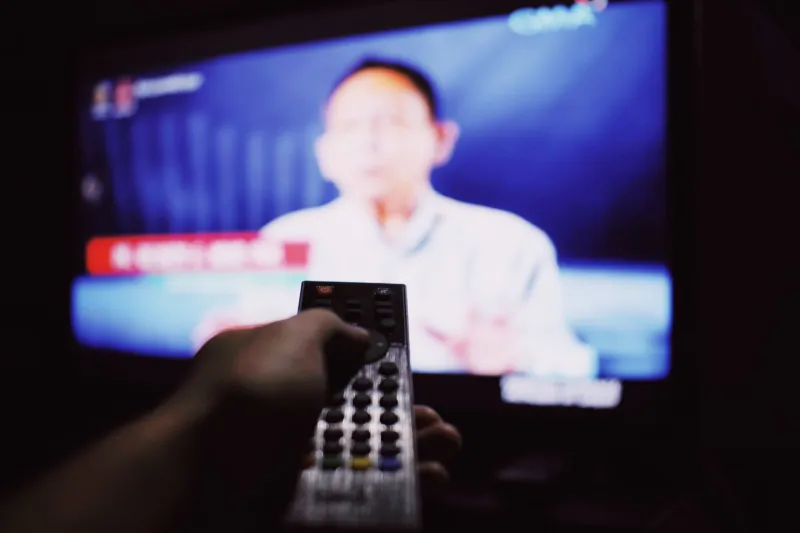
It's 12:47 AM on a Tuesday. No games are live. No breaking news is dropping. And yet, somewhere in suburban Ohio, a 34-year-old is three hours deep into Game 6 of the 1998 NBA Finals — a game he's probably seen a dozen times — with a bag of chips, a cold drink, and zero intention of going to sleep anytime soon.
This isn't an anomaly. It's a trend. And it's growing fast.
The Archive Opens Its Doors
For most of sports broadcasting history, the archive was a locked room. Networks held the keys. Highlight packages were curated, controlled, and rationed. If you wanted to relive a legendary performance, you either owned the DVD box set or you were at the mercy of a late-night ESPN Classic block.
That era is done.
Platforms like Peacock, ESPN+, Paramount+, and even YouTube's expanding sports libraries have thrown those doors wide open. Full games. Full seasons. Championship runs dating back to the '80s. Documentary deep dives. The kind of content that used to gather dust in a network vault is now three taps away on your phone at any hour of the day or night — which, for a platform like 247Sport.TV, means the concept of a programming gap is basically extinct.
And fans are showing up. In massive numbers.
Nostalgia as a Sports Product
Here's what's interesting about this shift: it's not just older fans reliving their youth. Younger viewers — Gen Z sports fans who were toddlers when Kobe dropped 81 points on the Raptors in 2006 — are consuming archival content with the same intensity their parents bring to live games.
Part of that is social media doing what social media does. A clip of a 1992 Dream Team practice session goes viral on a random Thursday afternoon, and suddenly thousands of 22-year-olds are hunting down the full documentary. One viral moment becomes a rabbit hole. The rabbit hole becomes a four-hour viewing session. The four-hour viewing session becomes a genuine emotional investment in players who retired before they could ride a bike.
This is on-demand nostalgia functioning as a gateway drug, and the streaming platforms know it.
"The archive isn't supplemental content anymore," one digital media analyst noted recently. "For a growing segment of sports fans, it is the content. It's where fandom gets built and deepened."
Does It Still Feel Like Sports?
Here's where things get philosophically messy. Live sports carry a specific energy — the uncertainty, the stakes, the shared experience of not knowing what happens next. That's the product. That's always been the product.
When you're rewatching the 2004 ALCS, you already know the Red Sox come back from 0-3. The tension is technically gone. So what exactly are people chasing?
Turns out, a lot. There's a growing body of fan psychology research suggesting that re-watching known outcomes still triggers emotional responses — that the brain re-engages with the drama even when the result is stored in memory. Fans report feeling genuine anxiety during moments they've seen before. They celebrate plays they've celebrated before. The emotional machinery doesn't fully switch off just because you know the ending.
And beyond the psychological mechanics, there's something else happening: discovery. A 28-year-old watching a full 1995 Indiana Pacers playoff game for the first time isn't re-watching anything. For them, it's completely live in every way that matters. The uncertainty is real. The stakes feel real. The only thing missing is the simultaneous crowd of fellow viewers — and honestly, Twitter and Reddit threads have found ways to fill even that gap.
The 3 AM Demographic
Streaming platforms are quietly paying close attention to when this archival consumption happens. The data is telling. A significant chunk of archive viewing spikes in the late-night and early-morning windows — the 11 PM to 3 AM range that traditional live sports can't always fill, especially on weeknights.
This matters commercially. Advertisers used to write off those hours as dead air. But an engaged sports fan watching a classic playoff series at midnight is arguably more attentive, more emotionally invested, and more susceptible to a well-placed ad than someone half-watching a blowout regular season game on a Sunday afternoon.
The late-night archive viewer is focused. They chose this. Nobody's making them watch a 30-year-old game. That intentionality is valuable, and the industry is starting to treat it that way.
Changing the Definition of 'Live'
Perhaps the most significant consequence of the archive boom is what it's doing to the concept of live sports itself. For decades, 'live' was the holy grail — the thing that made sports broadcasting unique, the reason networks paid billions for rights fees, the argument against cord-cutting.
But if a fan can get the same emotional experience watching a 1987 Larry Bird game that they'd get watching a current Celtics game, the moat around live sports gets a little narrower. Not gone — live sports still carry social urgency, spoiler anxiety, and a shared cultural moment that archives can't fully replicate. But narrower.
Streaming platforms are betting that a world where you can watch anything, anytime is actually better for sports overall — that archives build the kind of deep fandom that makes people more likely to tune in live, not less.
So far, the evidence suggests they might be right.
The replay room never closes. And judging by the viewing numbers, fans couldn't be happier about it.